May 19, 2026

Heat Pump vs Furnace: Which Heating System Is Best for West Virginia Homes?

Heat Pump vs Furnace: Which Heating System Is Best for West Virginia Homes?

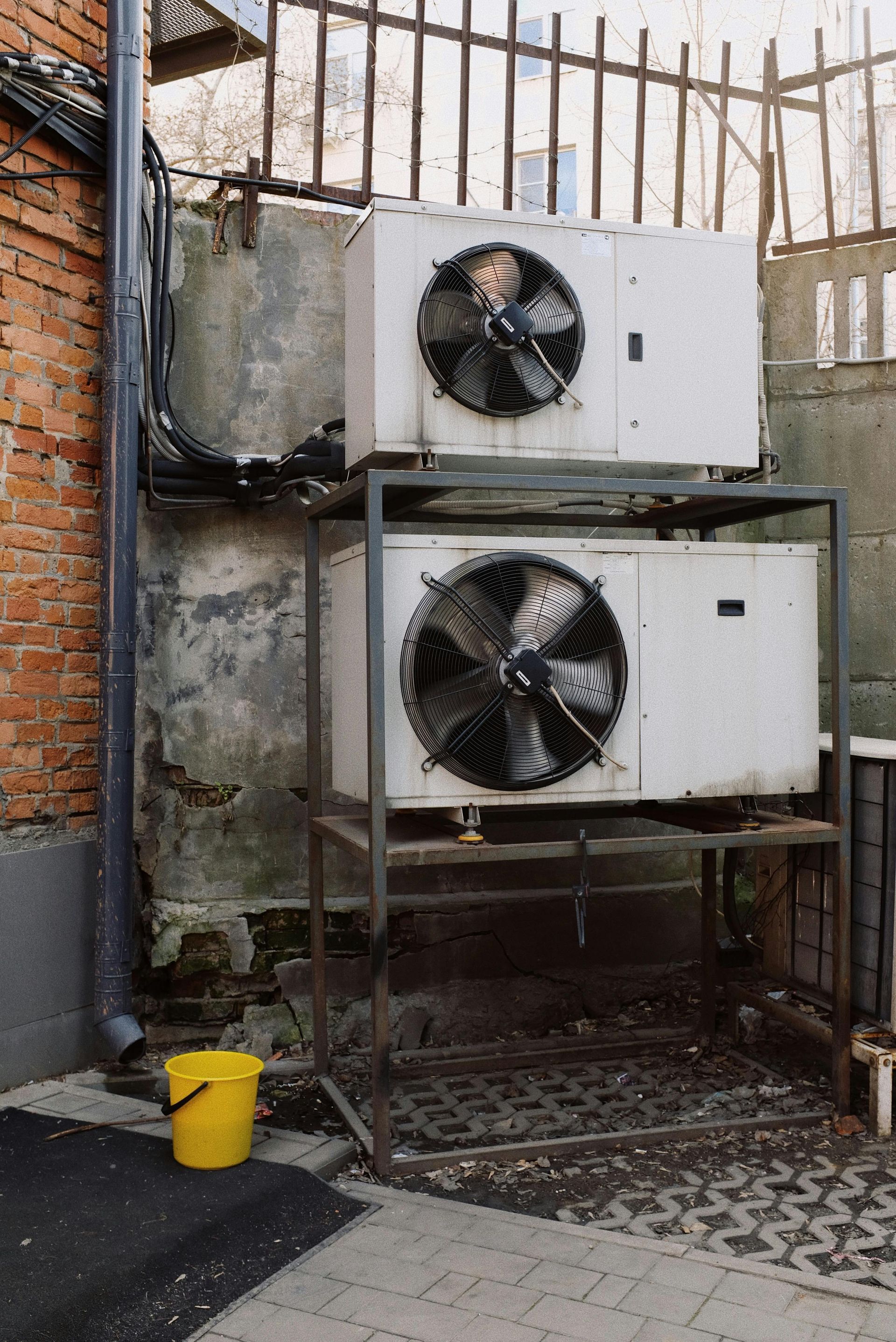
Two stacked outdoor air-conditioning units on a metal frame beside a stained wall and a yellow bucket
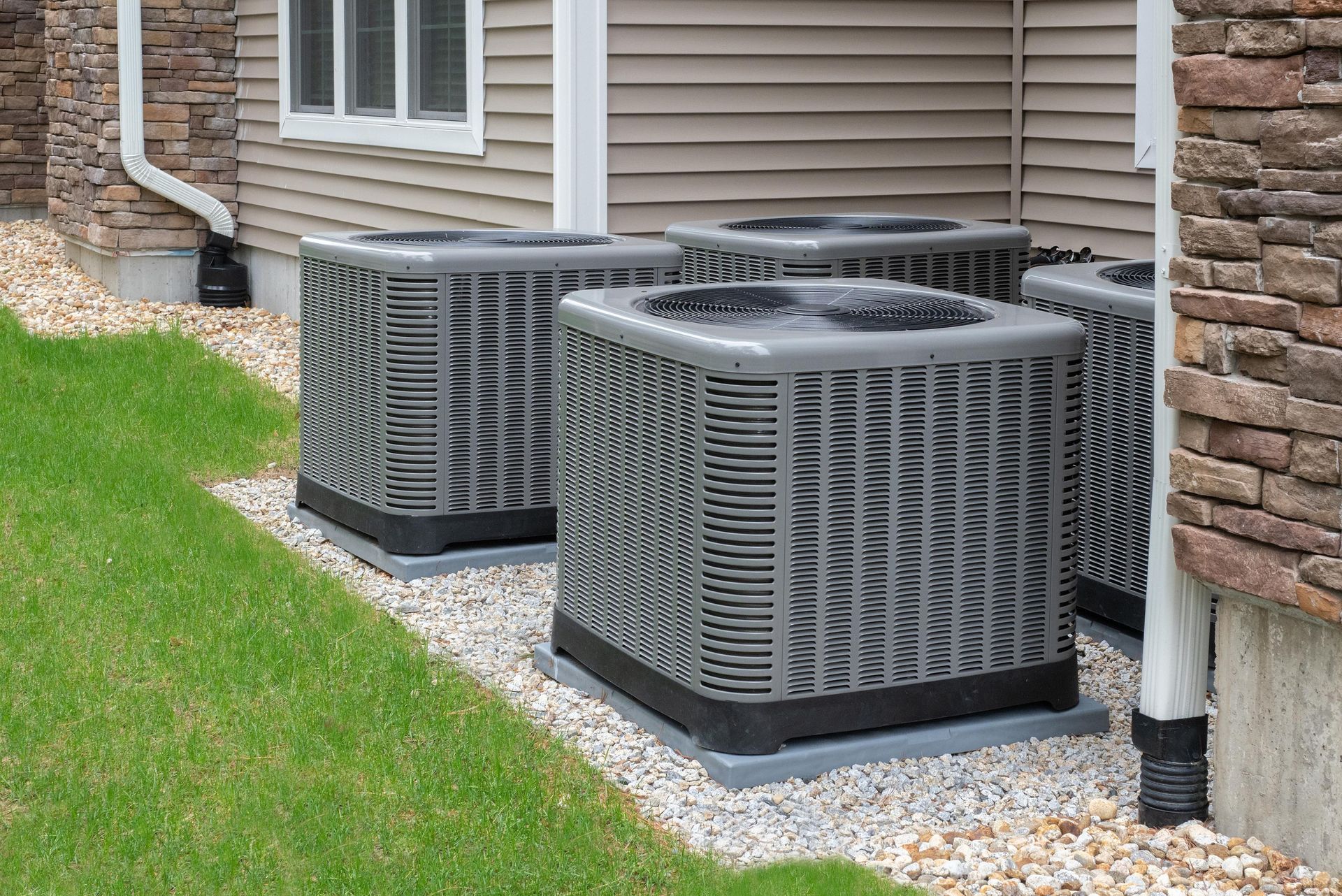
Two gray outdoor HVAC units beside a house on a gravel bed near a brick wall

Choosing the right heating system for your home is an important decision. Two of the most common options for homeowners in West Virginia are heat pumps and furnaces. Each system has advantages depending on your home, energy costs, and comfort preferences.

With winters in Jefferson and Berkeley Counties bringing freezing temperatures, homeowners often wonder which system will perform best during colder months while keeping energy costs manageable.


At Generation Air Conditioning & Heating, we help homeowners across Shenandoah Junction, Martinsburg, Charles Town, Harpers Ferry, and surrounding areas choose the heating system that best fits their home and budget. This guide compares heat pumps and furnaces so you can make an informed decision.


How a Heat Pump Works

A heat pump works differently from traditional heating systems. Instead of generating heat, it transfers heat from the outside air into your home.


During the winter, the system extracts heat from outdoor air and moves it indoors. In the summer, it reverses the process and acts like an air conditioner.


Because it transfers heat rather than producing it, a heat pump can be very energy efficient.


Benefits of Heat Pumps

Heat pumps offer several advantages for homeowners:

• Provides both heating and cooling in one system
• Highly energy efficient
• Lower operating costs in mild climates
• Environmentally friendly operation
• Consistent indoor temperatures


Heat pumps are particularly effective in areas where winters are moderate rather than extremely cold.


How a Furnace Works

A furnace generates heat by burning fuel or using electricity and then distributes that warm air throughout the home using ductwork.


Furnaces are typically powered by:

• Natural gas
• Propane
• Oil
• Electricity


Once heat is produced, a blower pushes warm air through the duct system and into each room of the home.


Benefits of Furnaces

Furnaces remain a popular choice in colder regions for several reasons:

• Powerful heating during very cold weather
• Fast heating response
• Long system lifespan
• Reliable performance during freezing temperatures


Gas furnaces, in particular, are known for producing strong, consistent heat.


Comparing Heat Pumps and Furnaces

Both systems are effective, but they operate differently. Understanding the differences can help determine which system is best for your home.

Feature Heat Pump Furnace
Heating Method Transfers heat Generates heat
Cooling Capability Yes No
Energy Efficiency Very high Moderate to high
Performance in Extreme Cold Moderate Excellent
Installation Cost Moderate Moderate
Operating Cost Lower in mild climates Depends on fuel type

Which System Is Better for West Virginia?

West Virginia’s climate includes cold winters and warm summers, making both systems viable options.


Heat Pumps in West Virginia

Modern heat pumps have improved significantly and can perform efficiently even in colder climates.


Advantages include:

• Lower electricity use during mild winter days
• Year-round heating and cooling
• Reduced environmental impact


However, when temperatures drop extremely low, a heat pump may require a backup heating source.


Furnaces in West Virginia

Furnaces perform exceptionally well during the coldest winter conditions.


Advantages include:

• Strong heating power
• Reliable performance in freezing temperatures
• Faster heat delivery


Homes that already have gas service often benefit from installing a high-efficiency gas furnace.


Dual Fuel Systems: The Best of Both Worlds

Many homeowners now choose dual fuel systems, which combine a heat pump with a gas furnace.


This setup allows the system to switch between heating sources depending on outdoor temperature.


Benefits of dual fuel systems include:

• Maximum energy efficiency
• Lower heating costs
• Reliable heating in extreme cold
• Year-round comfort


When temperatures are mild, the heat pump handles heating. When temperatures drop significantly, the furnace automatically takes over.


Factors to Consider Before Choosing

Before deciding between a heat pump or furnace, consider several important factors.


Home Size and Layout

Larger homes may require more powerful heating systems to maintain consistent comfort.


Energy Costs

Local electricity and gas prices can influence which system is more cost-effective.


Existing Infrastructure

Homes with existing ductwork or gas lines may find certain systems easier to install.


Climate Conditions

Homes that experience frequent freezing temperatures may benefit from furnace-based systems or dual fuel setups.


Professional HVAC System Recommendations

Choosing the right HVAC system involves more than just comparing equipment. A professional evaluation ensures the system is properly sized and installed.


At Generation Air Conditioning & Heating, we provide:

• Full HVAC system consultations
• Load calculations to determine proper system size
• Expert installation services
• Honest repair versus replacement guidance
• Financing options for qualified homeowners


Our goal is to help homeowners find the most efficient and reliable solution for their comfort needs.


Service Areas

Generation Air Conditioning & Heating proudly serves:

Shenandoah Junction, WV
Martinsburg, WV
Charles Town, WV
Harpers Ferry, WV
Shepherdstown, WV
Ranson, WV
Inwood, WV
Hedgesville, WV
Spring Mills, WV
Falling Waters, WV
Bunker Hill, WV

and surrounding communities across Jefferson and Berkeley Counties.


Heat Pump vs Furnace FAQs

Are heat pumps efficient in cold weather?

Yes. Modern heat pumps are designed to operate efficiently in colder climates, though extremely low temperatures may require supplemental heat.


Is a furnace cheaper to operate?

It depends on fuel prices. In some areas natural gas furnaces can be more affordable to run during cold winters.


How long do heat pumps last?

Most heat pumps last 10–15 years, depending on maintenance and usage.


Can I replace my furnace with a heat pump?

Yes. Many homes convert to heat pumps or install dual fuel systems during HVAC upgrades.


Schedule Your HVAC Consultation Today

If you're considering upgrading your heating system, the experts at Generation Air Conditioning & Heating can help you evaluate your options and choose the best system for your home.
Man sitting on a couch beside a wall vent blowing warm air, with inset images of HVAC issues.
May 4, 2026
Is your AC blowing warm air? Learn the most common causes and when to call an HVAC professional in Shenandoah Junction, WV.
A pressure gauge manifold with red, blue, and yellow hoses connected to an outdoor air conditioning unit.
April 17, 2026
Is your HVAC system constantly turning on and off? Learn the common causes of short cycling and how to fix it in Shenandoah Junction, WV.
A person in a blue shirt holds their hands over their ears, standing outside near a loud, operating air conditioning unit.
April 2, 2026
Is your HVAC system making loud noises? Learn the most common causes and when to call an HVAC professional in Shenandoah Junction, WV.
A technician in a red uniform and protective gloves repairs an outdoor air conditioning unit while standing on a ladder.
March 18, 2026
Wondering how often HVAC systems should be serviced? Learn the ideal maintenance schedule for West Virginia homes from Generation Air Conditioning & Heating.
HVAC technician in hard hat and plaid shirt inspects rooftop air conditioning units, holding a clipboard.
March 4, 2026
Learn 10 HVAC troubleshooting tips before calling for service. Expert advice from Generation Air Conditioning & Heating in WV.
Shiny, insulated metal pipes attached to a building's exterior wall.
February 17, 2026
Upgrading HVAC in an older home? Discover the best systems for historic houses in West Virginia. Local HVAC pros explain your options.
SHOW MORE