Your HVAC system should operate relatively quietly. While you may hear airflow or a soft hum when it starts running, loud or unusual noises often signal that something isn’t working properly.
If you’re hearing banging, grinding, squealing, or rattling sounds from your heating or cooling system, it’s important to identify the cause quickly. Ignoring these noises can lead to larger mechanical issues or costly repairs.
At
Generation Air Conditioning & Heating, we regularly help homeowners across
Shenandoah Junction, Martinsburg, Charles Town, Harpers Ferry, and surrounding areas diagnose and repair noisy HVAC systems. In this guide, we’ll explain the most common causes of HVAC noise and when it’s time to call a professional.
What Normal HVAC Sounds Should Be Like
Before discussing unusual noises, it’s helpful to understand what a normal HVAC system sounds like.
Most systems produce only a few mild sounds, such as:
• A soft click when the thermostat activates the system
• A gentle hum while the system runs
• Air moving through vents and ductwork
• A brief whooshing sound when airflow begins
These sounds are completely normal. However, sudden or loud noises that continue during operation usually indicate a mechanical problem.
Common HVAC Noises and What They Mean
Banging or Clanking
A loud banging or clanking sound often indicates loose or broken components inside the system.
Possible causes include:
• Loose blower fan components
• Broken motor mounts
• Misaligned blower wheel
• Damaged compressor parts
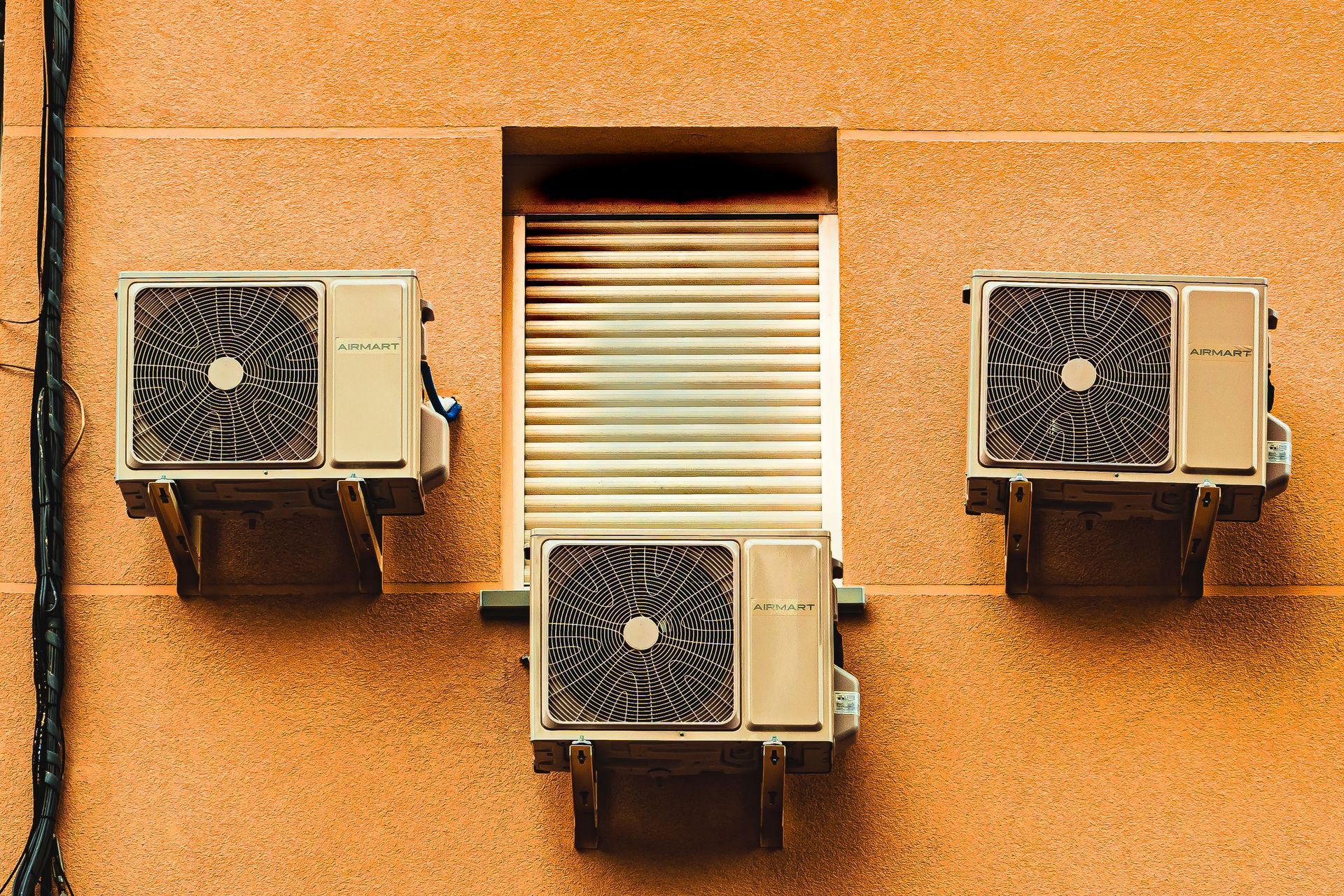
If the sound is coming from the outdoor unit, it could indicate a failing compressor or loose fan blades.
These issues should be addressed quickly to prevent additional damage to internal components.
Squealing or Screeching
High-pitched squealing sounds usually point to problems with moving parts inside the system.
Common causes include:
• Worn blower motor bearings
• Loose or damaged fan belts
• Motor lubrication issues
Older HVAC systems that use belt-driven motors often produce squealing noises when belts become worn or misaligned.
A technician can lubricate components or replace worn parts before the motor fails.
Rattling or Vibrating
If you hear rattling or vibrating sounds, the cause is often something loose.
Possible sources include:
• Loose screws or panels
• Debris inside the outdoor condenser unit
• Loose duct connections
• Aging system components
Sometimes the solution is as simple as tightening a panel or clearing debris around the outdoor unit.
However, persistent rattling may signal a larger mechanical issue.
Buzzing Sounds
Buzzing noises often indicate electrical problems.
These may include:
• Loose wiring
• Failing contactors or relays
• Electrical arcing
• Compressor issues
Electrical problems should always be handled by a licensed HVAC technician to avoid safety hazards.
Grinding or Metal-on-Metal Sounds
Grinding sounds are among the most serious HVAC noises and typically indicate motor failure.
Common causes include:
• Worn motor bearings
• Blower motor failure
• Compressor damage
If you hear grinding sounds, turn off the system and schedule professional service immediately to prevent catastrophic failure.
Noises Coming From the Ductwork
Sometimes the HVAC equipment isn’t the source of the noise—your duct system may be responsible.
Duct-related noises may include:
• Popping or banging when the system turns on
• Whistling from restricted airflow
• Rattling caused by loose ducts
These issues often occur when ducts expand and contract due to temperature changes or when airflow is restricted by dirty filters or blocked vents.
A professional inspection can determine whether duct sealing or airflow adjustments are needed.
How Dirty Air Filters Can Cause Noise
One of the simplest causes of HVAC noise is a clogged air filter.
When airflow becomes restricted, the system must work harder to circulate air through your home. This increased strain can create:
• Whistling noises from vents
• Vibrating ductwork
• Excessive blower motor noise
Replacing your filter every
1–3 months helps maintain proper airflow and reduces stress on your HVAC system.
When HVAC Noises Require Professional Repair
While some minor noises may have simple causes, others indicate more serious issues.
You should call an HVAC technician if you notice:
• Loud banging or clanking sounds
• Grinding or metal-on-metal noises
• Persistent squealing or screeching
• Buzzing accompanied by system failure
• Unusual noises that suddenly appear
Ignoring these sounds can lead to more expensive repairs or complete system failure.
Preventing Noisy HVAC Problems
Regular maintenance is the best way to prevent unusual HVAC noises.
Routine service helps technicians:
• Tighten loose components
• Lubricate moving parts
• Clean internal components
• Identify worn parts early
• Ensure proper airflow and system balance
Preventive maintenance keeps your HVAC system operating smoothly and quietly throughout the year.
Professional HVAC Repair in Shenandoah Junction
At
Generation Air Conditioning & Heating, we provide expert diagnostics and repair services for noisy HVAC systems. Our technicians service
all major brands and can quickly identify the cause of unusual sounds.
Our services include:
• HVAC maintenance and tune-ups
• Heating and cooling repairs
• System diagnostics
• HVAC installation and replacement
• Emergency HVAC repair services
We focus on delivering reliable solutions and personalized service for every customer.
Service Areas
We proudly provide HVAC services throughout:
Shenandoah Junction, WV
Martinsburg, WV
Charles Town, WV
Harpers Ferry, WV
Shepherdstown, WV
Ranson, WV
Inwood, WV
Hedgesville, WV
Spring Mills, WV
Falling Waters, WV
Bunker Hill, WV
and surrounding communities across
Jefferson and Berkeley Counties.
HVAC Noise FAQs
Is it normal for my HVAC system to make noise when starting?
Yes. A brief clicking or airflow sound when the system starts is normal. Loud or persistent noises are not.
Why does my ductwork pop when the heat turns on?
Ducts expand and contract as temperatures change. Loud popping may indicate thin metal ducts or airflow pressure issues.
Can I fix HVAC noises myself?
You can check filters and ensure vents are clear, but mechanical or electrical issues should always be handled by a professional.
Should I turn off my system if it makes loud noises?
Yes. If you hear grinding, banging, or screeching, turn off the system and contact an HVAC technician to prevent further damage.
Need HVAC Repair in Shenandoah Junction?
If your heating or cooling system is making unusual noises, don’t wait for the problem to get worse. The team at
Generation Air Conditioning & Heating can diagnose the issue and restore your comfort quickly.