September 22, 2026
How Much Does a New HVAC System Cost in West Virginia?
How Much Does a New HVAC System Cost in West Virginia?
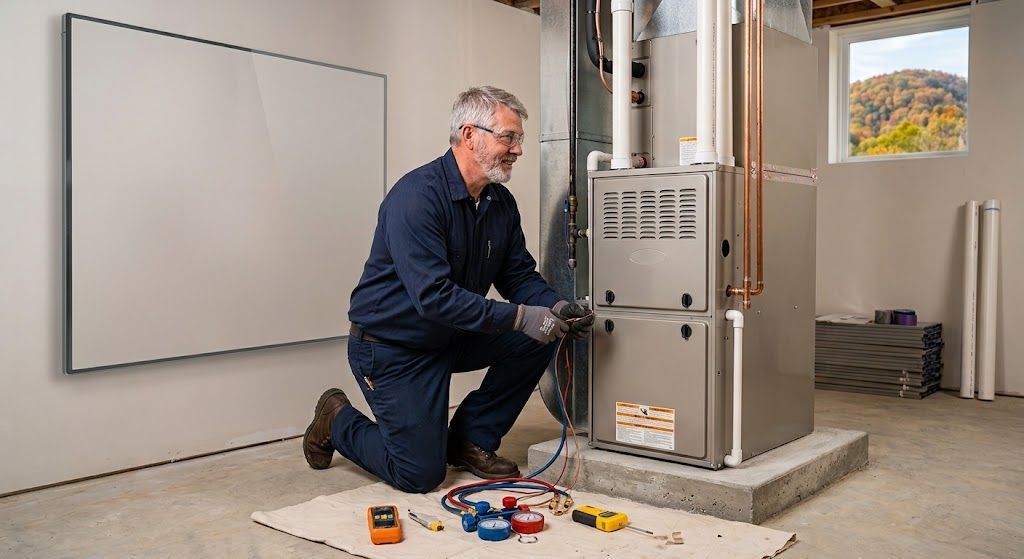
If your heating and cooling system is getting older, breaking down frequently, or struggling to keep your home comfortable, you may be wondering: How much does a new HVAC system cost in West Virginia?
There isn't one price that fits every home. HVAC replacement costs depend on the equipment you choose, the size and layout of your property, existing ductwork, installation requirements, efficiency ratings, and other factors. The most reliable way to determine your actual cost is to have a professional evaluate your home and provide a customized estimate.
At Generation Air Conditioning & Heating, we help homeowners in Shenandoah Junction and throughout Jefferson and Berkeley Counties understand their options before making a major HVAC investment. Here's what West Virginia homeowners should know about HVAC replacement costs and the factors that can affect the final price.
What Determines the Cost of a New HVAC System?
Two homes of similar size can have very different heating and cooling requirements. That is why HVAC replacement should not be priced based on square footage alone.
Several factors influence the total cost of a new system.
1. The Type of HVAC System
The equipment you choose is one of the biggest factors affecting installation cost.
Common options include:
- Central air conditioning systems
- Gas furnaces
- Propane furnaces
- Heat pumps
- Ductless mini-split systems
- Combined heating and cooling systems
For example, replacing only an air conditioner is a different project from replacing an entire furnace and AC combination.
A heat pump may also have a different upfront cost than a traditional furnace and central AC setup, but it provides both heating and cooling from one system.
The right choice depends on your home's existing equipment, available fuel sources, comfort preferences, and long-term energy goals.
2. The Size of Your Home
Larger homes generally require greater heating and cooling capacity, but choosing equipment isn't as simple as matching a system to square footage.
A professional HVAC contractor should consider factors including:
- Home size
- Ceiling height
- Number and type of windows
- Insulation
- Sun exposure
- Air leakage
- Home orientation
- Number of occupants
Proper sizing is extremely important.
An HVAC system that is too small may run constantly without keeping the home comfortable. An oversized system can turn on and off too frequently, creating unnecessary wear and poor humidity control.
Professional system sizing helps ensure you're paying for the equipment your home actually needs rather than simply buying the largest unit available.
3. Energy-Efficiency Ratings
Higher-efficiency HVAC equipment typically costs more upfront, but it may reduce energy consumption over the life of the system.
When comparing new equipment, homeowners may encounter efficiency measurements such as SEER2 for air conditioners and heat pumps or AFUE for furnaces.
Higher ratings generally indicate more efficient operation.
However, the highest-efficiency system isn't automatically the best financial choice for every home. Your existing insulation, energy usage, equipment type, and expected length of ownership should all be considered.
Generation Air Conditioning & Heating can help you compare equipment options based on both initial investment and long-term operating costs.
4. Condition of Existing Ductwork
If you're replacing a central HVAC system, your existing ductwork matters.
Older ducts may have:
- Air leaks
- Poor insulation
- Improper sizing
- Damaged sections
- Loose connections
- Airflow problems
Installing high-efficiency equipment while ignoring failing ductwork can limit the performance of your new system.
In some homes, existing ducts can continue to be used with only minor adjustments. Other properties may require repairs, sealing, or modifications.
These additional improvements can affect the total HVAC installation cost, but they may also improve comfort and efficiency.
5. Installation Complexity
Not every HVAC replacement is equally straightforward.
A standard replacement in an easily accessible mechanical area may require less labor than an installation involving a tight crawl space, attic, older home, or major equipment changes.
Installation costs may increase if the project requires:
- Electrical upgrades
- New refrigerant lines
- Drain modifications
- Equipment relocation
- Ductwork changes
- Thermostat upgrades
- Additional ventilation work
This is another reason an on-site evaluation is more useful than relying on a generic online HVAC price estimate.
Repair or Replace: When Is a New HVAC System Worth It?
Replacing an HVAC system is a significant investment, so homeowners naturally want to get as much life as possible from their existing equipment.
A repair often makes sense when the system is relatively young, has been dependable, and needs an isolated, affordable fix.
Replacement becomes more attractive when several problems occur at once.
You may want to consider a new HVAC system if:
- Your equipment is approaching or beyond its expected lifespan
- Repairs are becoming frequent
- Major components are failing
- Your energy bills have increased significantly
- The system struggles to maintain comfortable temperatures
- Some rooms are consistently too hot or cold
- The equipment requires an expensive repair
- You want improved efficiency or modern comfort controls
Instead of looking only at today's repair bill, consider what you're likely to spend over the next several years.
Putting substantial money into an aging system only to replace it shortly afterward may not be the best use of your budget.
Should You Replace Your AC and Furnace Together?
If your central air conditioner and furnace work together and both are getting older, replacing them at the same time may be worth considering.
There are several potential advantages.
You can ensure the indoor and outdoor components are properly matched, avoid paying for separate installation projects within a short period, and start with equipment of the same age.
However, simultaneous replacement isn't necessary in every situation.
If one component is relatively new and compatible with the new equipment, keeping it may make more financial sense.
A professional evaluation can determine whether replacing one component or the complete HVAC system provides better long-term value.
Can a New HVAC System Lower Energy Bills?
It can, particularly when replacing older or inefficient equipment.
Newer HVAC systems are designed around modern efficiency standards and may provide better temperature control with less energy consumption. Actual savings, however, depend on the home and how the equipment is used.
A new system cannot completely compensate for problems such as:
- Poor attic insulation
- Major air leaks
- Damaged ductwork
- Incorrect thermostat settings
- Improper system sizing
For the best results, HVAC replacement should be viewed as part of the home's overall comfort and efficiency strategy.
Are Heat Pumps Worth Considering in West Virginia?
Heat pumps deserve consideration when replacing HVAC equipment because they provide both heating and cooling.
Rather than generating heat in the same way as a conventional furnace, a heat pump transfers heat. Modern equipment can provide efficient heating across a broad range of outdoor temperatures.
The best choice still depends on your property, existing equipment, electrical system, fuel availability, and budget.
Some homeowners may also want to investigate current federal, state, utility, or manufacturer incentives when comparing qualifying high-efficiency equipment. Incentive programs and eligibility requirements can change, so confirm current terms before making a purchase based on an expected rebate or tax benefit.
Don't Choose an HVAC System Based on Price Alone
The cheapest estimate isn't necessarily the least expensive HVAC system to own.
Installation quality has a major effect on system performance.
Even premium equipment can perform poorly when it is incorrectly sized or installed.
When comparing HVAC replacement estimates, consider:
- Equipment specifications
- System sizing
- Installation scope
- Warranty coverage
- Contractor experience
- Ductwork requirements
- Post-installation testing
- Maintenance needs
You should understand exactly what you're receiving before comparing one proposal with another.
What Should an HVAC Replacement Consultation Include?
A professional HVAC consultation should involve more than looking at your old unit and recommending a similar replacement.
At Generation Air Conditioning & Heating, the goal is to find an HVAC solution that matches your property's needs and your budget.
A thorough evaluation may consider your existing system, home layout, heating and cooling demands, airflow, ductwork, comfort concerns, and available equipment options.
This is also the right time to discuss questions such as:
- Should I switch to a heat pump?
- Is my existing system the correct size?
- Can my ductwork be reused?
- Would a smart thermostat help?
- Should I replace heating and cooling equipment together?
- Are higher-efficiency options worth the additional investment?
The answers can significantly influence both the upfront cost and long-term value of your new HVAC system.
HVAC Replacement Cost FAQs
How Much Should I Budget for HVAC Replacement in West Virginia?
There is no reliable universal price because system type, capacity, efficiency, ductwork, labor, and installation requirements vary considerably. A professional in-home estimate provides a much more useful number than a broad national average.
Is It Cheaper to Replace HVAC Equipment During the Off-Season?
Sometimes. Equipment availability, contractor schedules, promotions, and manufacturer offers can vary throughout the year. More importantly, planning a replacement before complete system failure gives you more time to compare options instead of making an emergency decision.
How Long Does HVAC Replacement Take?
Many straightforward residential replacements can be completed within a day, while projects involving ductwork, electrical changes, equipment relocation, or other modifications may take longer. Your contractor should explain the expected schedule before work begins.
How Long Should a New HVAC System Last?
System lifespan depends on the equipment type, installation quality, usage, climate, and maintenance history. Routine professional maintenance and regular filter replacement can help protect your investment and reduce unnecessary wear.
Should I Repair a 15-Year-Old HVAC System?
It depends on the condition of the equipment and the cost of the repair. If an older system needs a major repair and has already experienced other problems, comparing the repair cost against replacement is worthwhile.
Get an HVAC Replacement Estimate in Shenandoah Junction, WV
If you're researching the cost of a new HVAC system in West Virginia, don't base a major home investment on a generic online estimate.
Have your home and existing equipment evaluated first.
Generation Air Conditioning & Heating provides personalized HVAC consultations for residential and light commercial customers in Shenandoah Junction and surrounding Jefferson and Berkeley County communities. We service all brands and can help you compare replacement options based on comfort, efficiency, and budget.
Whether you're considering a new air conditioner, heat pump, gas or propane furnace, or complete HVAC replacement, our team can help you understand your options without guessing what your home needs.