Many homeowners focus on temperature when thinking about home comfort, but indoor air quality plays an equally important role in maintaining a healthy living environment. In fact, the air inside your home can sometimes contain more pollutants than the air outside.
Your HVAC system circulates air throughout your home every day. If contaminants are present in that air, they can spread through your duct system and affect everyone in the household.
Understanding how indoor air quality works and how to improve it can help create a healthier and more comfortable home environment.
At Generation Air Conditioning & Heating, we help homeowners improve indoor air quality through proper HVAC maintenance, filtration, and air purification solutions.
What Is Indoor Air Quality?
Indoor air quality refers to the condition of the air inside your home and how it affects health and comfort.
Poor indoor air quality can include contaminants such as:
• Dust and dust mites
• Pet dander
• Mold spores
• Pollen
• Bacteria and viruses
• Volatile organic compounds (VOCs) from cleaning products and building materials
These pollutants can accumulate inside homes and circulate through HVAC systems if proper filtration and ventilation are not in place.
Why Indoor Air Can Be More Polluted Than Outdoor Air
Many homeowners assume that pollution is mainly an outdoor issue. However, modern homes are designed to be energy efficient and tightly sealed, which limits natural airflow.
While this improves heating and cooling efficiency, it can also trap pollutants indoors.
Common sources of indoor air pollution include:
• Cleaning chemicals
• Cooking fumes
• Building materials
• Furniture and carpets
• Pet hair and dander
• Moisture that leads to mold growth
Without proper ventilation or filtration, these contaminants can build up over time.
Health Effects of Poor Indoor Air Quality
Poor indoor air quality can affect both short-term comfort and long-term health.
Some common symptoms of poor indoor air include:
• Allergies and sneezing
• Dry or irritated eyes
• Headaches
• Fatigue
• Asthma flare-ups
• Respiratory irritation
For households with children, elderly individuals, or people with respiratory conditions, improving indoor air quality is especially important.
The Role of Your HVAC System
Your HVAC system plays a major role in maintaining indoor air quality.
The system circulates air through your home multiple times per day. Without proper filtration, pollutants can spread throughout your living spaces.
A properly maintained HVAC system can help:
• Remove airborne particles through filtration
• Control humidity levels
• Improve airflow and ventilation
• Support air purification systems
Regular maintenance helps ensure these components operate effectively.
HVAC Filters and Air Filtration
Your HVAC air filter is the first line of defense against airborne contaminants.
Filters capture particles such as:
• Dust
• Pollen
• Pet hair
• Mold spores
Higher-efficiency filters are rated using MERV ratings, which measure their ability to capture smaller particles.
For most homes, filters with MERV ratings between 8 and 13 provide a good balance between filtration and airflow.
Replacing filters regularly is essential to maintain proper air quality and HVAC performance.
Whole-Home Air Purifiers
Whole-home air purification systems work with your HVAC system to remove contaminants from circulating air.
These systems may use technologies such as:
• Advanced filtration
• UV light purification
• Ionization systems
Air purifiers can help neutralize bacteria, viruses, and mold spores that standard filters may not fully capture.
They are particularly beneficial for homes with allergy sufferers or pets.
Humidity Control and Air Quality
Humidity levels also affect indoor air quality
.
Excess humidity can encourage mold growth and dust mites, while low humidity may cause dry skin, respiratory irritation, and static electricity.
Ideal indoor humidity levels typically fall between 30% and 50 percent.
HVAC systems can support humidity control through:
• Whole-home humidifiers
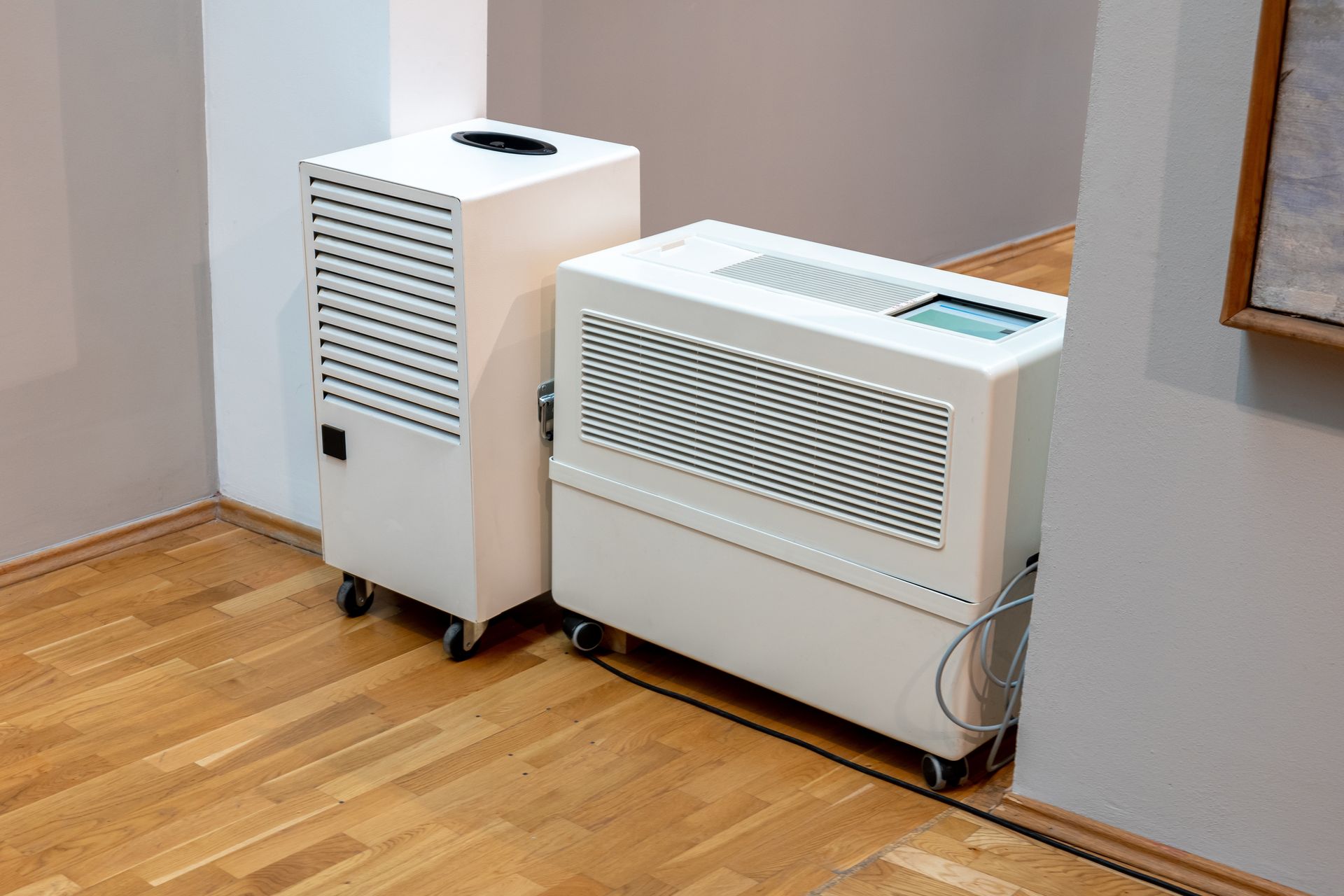
• Dehumidifiers
• Proper ventilation
Maintaining balanced humidity improves both comfort and air quality.
Signs Your Indoor Air Quality May Be Poor
Many homeowners don’t realize they have indoor air quality issues until symptoms appear.
Common signs include:
• Persistent dust buildup
• Allergy symptoms indoors
• Musty odors
• Mold growth around vents or windows
• Excess humidity or condensation
If these issues appear, it may be time to evaluate your HVAC filtration and ventilation system.
How HVAC Maintenance Improves Air Quality
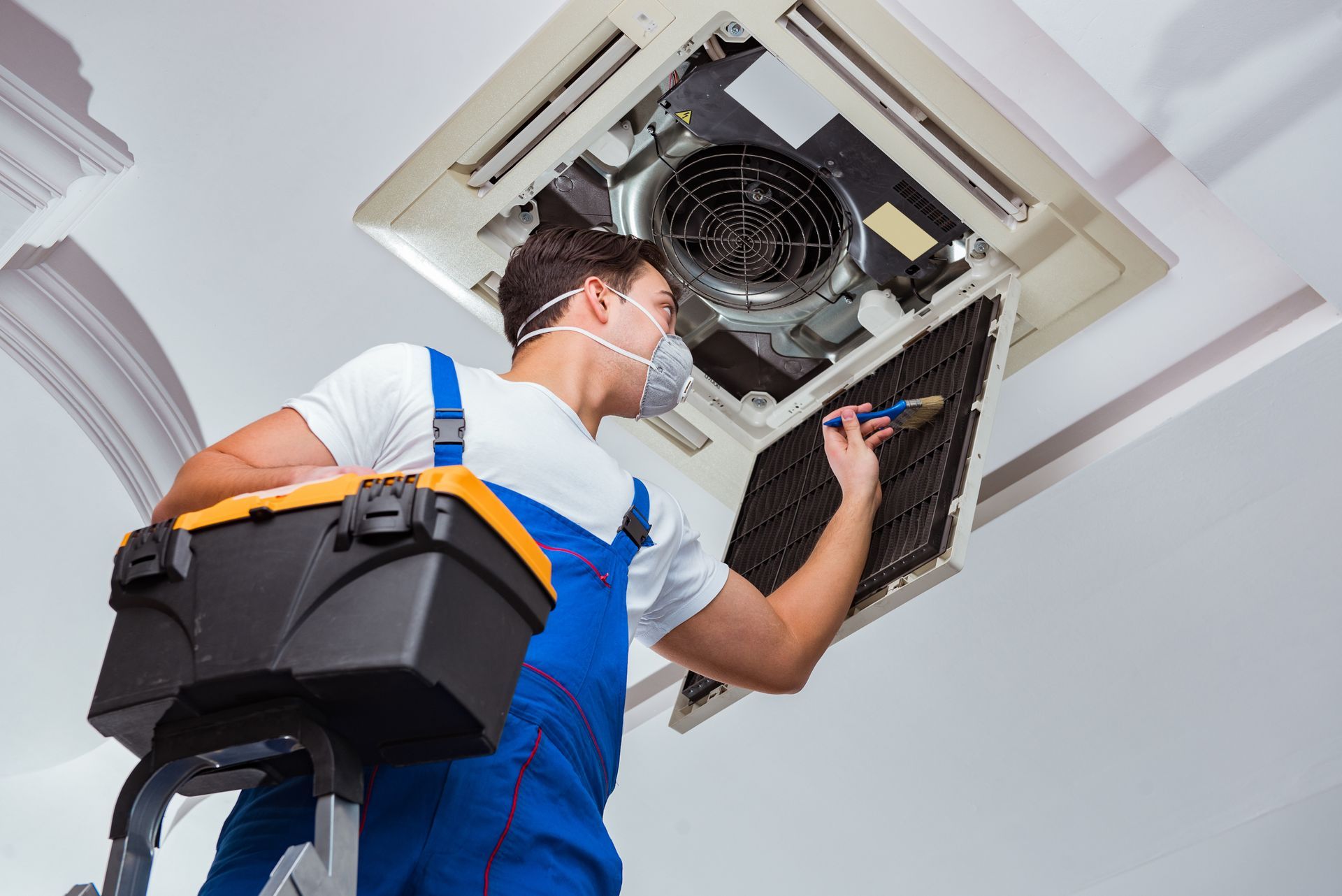
Routine HVAC maintenance helps maintain clean and healthy air inside your home.
Maintenance services typically include:
• Filter inspection and replacement
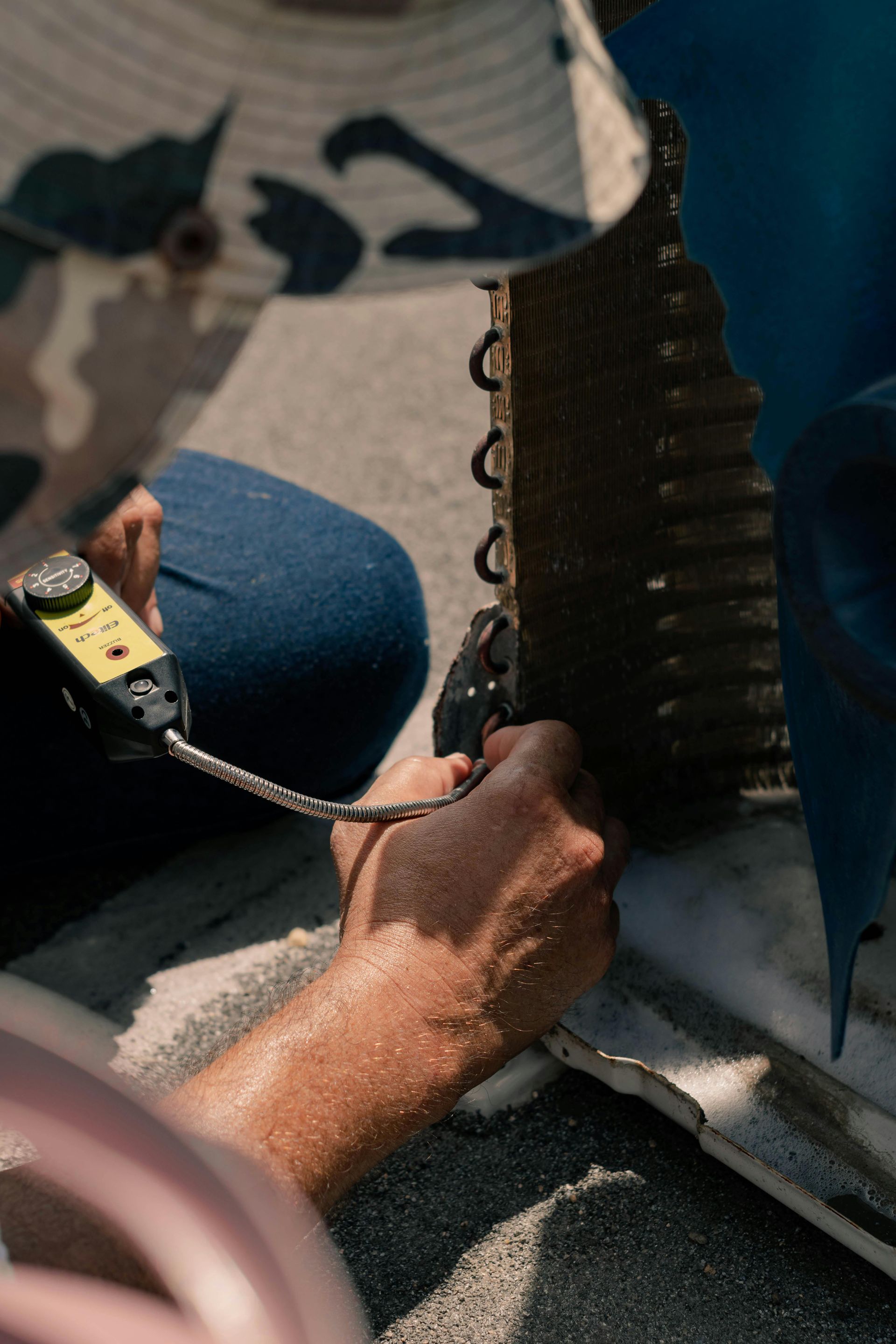
• Coil cleaning
• Duct inspection
• Airflow testing
• System performance checks
These inspections ensure that contaminants do not accumulate inside HVAC components.
Improving Indoor Air Quality at Home
In addition to HVAC upgrades, homeowners can improve indoor air quality through simple practices.
Helpful steps include:
• Replacing HVAC filters regularly
• Vacuuming with HEPA filters
• Keeping humidity levels balanced
• Ventilating kitchens and bathrooms
• Reducing chemical pollutants in cleaning products
These steps support healthier indoor air throughout the year.
Indoor Air Quality FAQs
How often should HVAC filters be replaced?
Most filters should be replaced every
1–3 months, depending on usage and indoor conditions.
Are air purifiers worth it?
Whole-home air purifiers can significantly improve indoor air quality, especially for allergy sufferers or households with pets.
Can HVAC systems remove viruses and bacteria?
Advanced filtration and UV purification systems can help neutralize many airborne microorganisms.
Does HVAC maintenance improve air quality?
Yes. Regular maintenance prevents dust buildup and ensures filtration systems operate effectively.
Improve Your Indoor Air Quality Today
If you're concerned about the air quality inside your home, HVAC solutions can help create a cleaner and healthier environment.
The experienced team at Generation Air Conditioning & Heating provides indoor air quality assessments, HVAC maintenance, and advanced air purification solutions to help homeowners breathe easier.