October 22, 2026
Heat Pump Rebates in West Virginia: What Homeowners Should Know in 2026
Heat Pump Rebates in West Virginia: What Homeowners Should Know in 2026
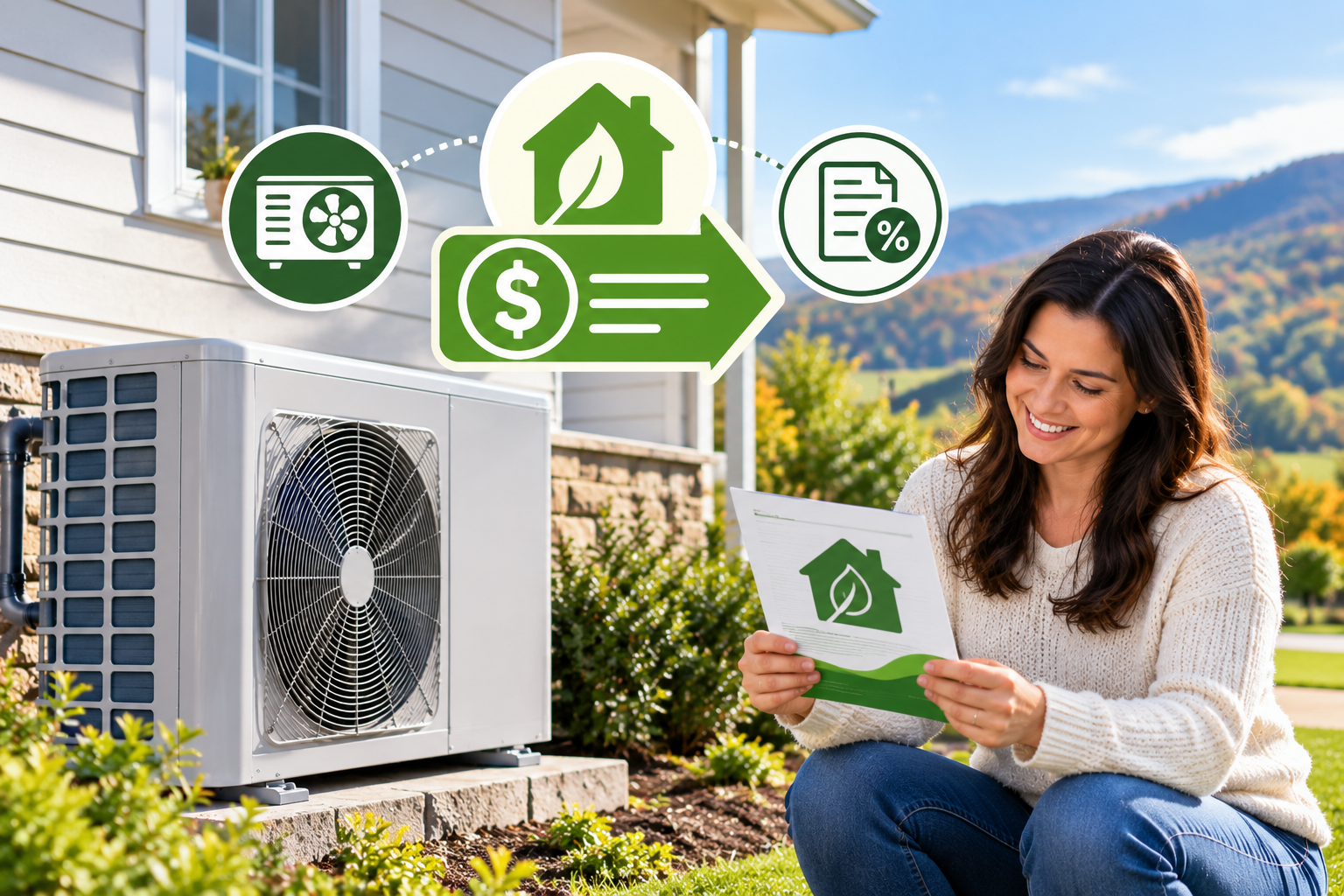
If you're considering replacing an older heating and cooling system, heat pump rebates in West Virginia could make an energy-efficient upgrade more affordable. In 2026, West Virginia homeowners may encounter state programs, federal incentives, utility offers, or manufacturer promotions that can reduce the cost of qualifying equipment.
However, incentives aren't as simple as choosing any heat pump and expecting a check. Eligibility can depend on the specific program, household qualifications, equipment efficiency, installation requirements, project timing, and available funding.
At Generation Air Conditioning & Heating, we help homeowners evaluate HVAC options based first on what works for their home. If incentives are available for a qualifying system, they can then become an important part of the overall cost comparison.
Here's what West Virginia homeowners should know before replacing an HVAC system based on a rebate or tax incentive.
Are Heat Pump Rebates Available in West Virginia in 2026?
West Virginia has been developing and implementing Home Energy Rebate programs funded through the federal Inflation Reduction Act. These programs are designed to encourage qualifying energy-efficiency improvements.
The state has two major Home Energy Rebate program categories to know about:
- Home Efficiency Rebates, commonly associated with the HOMES program
- Home Electrification and Appliance Rebates, commonly associated with HEAR
West Virginia's Office of Energy announced the launch of a pilot phase for the state's Whole-Home Energy Rebate Program in August 2026.
Because these programs can have specific eligibility requirements, implementation phases, funding limits, and approved project procedures, homeowners should verify the current rules directly with the West Virginia Office of Energy before purchasing equipment based on an expected rebate.
In other words: don't assume every heat pump installation automatically qualifies for a rebate.
What Is the West Virginia HEAR Program?
The Home Electrification and Appliance Rebates program is designed to help eligible households make certain energy-efficient electrification upgrades.
Qualifying project categories may include equipment such as heat pumps for space heating and cooling, along with other eligible home-energy improvements.
The amount of assistance available can depend on factors such as household income and program requirements.
This makes HEAR potentially important for homeowners who are considering moving from certain traditional heating systems to a qualifying heat pump.
However, program availability and participation procedures matter. Before signing an HVAC installation agreement specifically because you expect HEAR assistance, confirm:
- Whether the program is currently accepting applicable projects
- Whether your household qualifies
- Whether the equipment must meet specific standards
- Whether an approved contractor or installation process is required
- Whether approval is needed before work begins
- What documentation must be retained
Program rules can change, and funding can be limited.
What Is the HOMES Program?
The Home Efficiency Rebates program takes a broader whole-home approach.
Rather than focusing only on purchasing a particular appliance, this type of program can connect incentives to measurable energy-efficiency improvements within a home.
Depending on the project and applicable requirements, homeowners may need an energy assessment or other documentation demonstrating expected or measured energy savings.
That distinction matters.
Replacing an HVAC system can be part of a larger efficiency strategy, but the best results often come from looking at the entire home.
For example, an efficient heat pump may not deliver its full potential if the property also has:
- Major air leaks
- Poor attic insulation
- Leaky ductwork
- Inadequate weather sealing
- Significant airflow problems
A whole-home approach can help identify where energy is being wasted before investing in new equipment.
Are Federal Heat Pump Tax Credits Still Available in 2026?
This is an area where homeowners need to be especially careful with older online articles.
Federal energy tax rules have changed, and a blog written in 2023 or 2024 may no longer accurately describe incentives available for equipment installed in 2026.
Do not assume that an older federal tax credit automatically applies to a 2026 heat pump installation.
Before making a purchase based on a tax benefit, check current guidance from the IRS and other official federal resources or speak with a qualified tax professional.
Generation Air Conditioning & Heating can help you understand HVAC equipment specifications, but HVAC contractors generally should not replace professional tax advice when determining whether you personally qualify for a tax credit.
Why Are Heat Pumps Receiving So Much Attention?
Heat pumps have become an increasingly important part of residential heating and cooling because one system can provide both functions.
During summer, a heat pump operates similarly to an air conditioner by transferring heat out of the home.
During colder weather, it reverses operation and transfers available heat into the home.
That provides several potential advantages:
- Heating and cooling from one system
- High energy efficiency
- No need to generate heat through combustion during normal heat-pump operation
- Compatibility with modern HVAC controls
- Potential eligibility for certain efficiency programs
Modern cold-climate heat pump technology has also improved performance in lower outdoor temperatures.
That makes heat pumps worth considering for more West Virginia homeowners than in the past.
Do Heat Pumps Work in West Virginia Winters?
Yes, properly selected heat pumps can work effectively in West Virginia, but equipment selection and system design matter.
Not every heat pump performs identically in cold weather.
When comparing systems, homeowners should consider:
- Heating capacity at lower outdoor temperatures
- Equipment efficiency
- Home insulation
- System sizing
- Existing ductwork
- Backup heating requirements
- Local winter conditions
Some properties may use an all-electric heat pump setup, while others may benefit from a dual-fuel configuration that combines a heat pump with a furnace.
There is no single heating system that is automatically best for every West Virginia home.
Could a Heat Pump Lower Your Energy Costs?
Potentially, but the answer depends on what you're replacing.
If you currently have inefficient or aging HVAC equipment, upgrading to a properly sized modern heat pump may reduce energy consumption.
However, actual operating costs depend on several variables:
- Current heating fuel
- Electricity rates
- Equipment efficiency
- Home insulation
- Thermostat habits
- Outdoor temperatures
- System sizing and installation quality
This is why homeowners should avoid purchasing a system based exclusively on an advertised efficiency rating.
The entire property should be considered.
How Much Does a Heat Pump Cost Before Rebates?
Heat pump installation costs vary considerably.
Major factors include:
- Heat pump type
- Equipment capacity
- Efficiency level
- Existing HVAC configuration
- Ductwork condition
- Electrical requirements
- Installation complexity
- Backup heating needs
A straightforward replacement using existing infrastructure may be different from converting a home from another heating system.
Ductless mini-splits are another option and have their own equipment and installation considerations.
Rather than relying on a broad national average, request a local HVAC evaluation and written estimate.
That gives you a realistic starting price before calculating any potential incentives.
Don't Buy the Wrong HVAC System Just to Get a Rebate
A rebate can make an upgrade more attractive, but it should not be the only reason you choose a particular HVAC system.
Imagine that one system qualifies for an incentive but is poorly suited to your home's layout, ductwork, or heating requirements.
Saving money upfront won't mean much if the equipment struggles to maintain comfort for the next decade.
Your priorities should remain:
- Correct system sizing
- Appropriate equipment for the property
- Quality installation
- Reliable heating and cooling performance
- Long-term operating costs
- Warranty and service considerations
- Available incentives
The incentive should improve an already sensible HVAC decision—not create one.
What Should You Ask Before Installing a Heat Pump?
Before moving forward, ask your HVAC contractor several questions.
Is My Home a Good Candidate for a Heat Pump?
The contractor should evaluate your existing system, home layout, heating requirements, electrical setup, and ductwork.
What Size Heat Pump Do I Need?
Proper sizing is essential. Bigger isn't automatically better.
An oversized system may short cycle and provide poor humidity control, while an undersized unit may struggle during extreme weather.
Do I Need Backup Heat?
The answer depends on the heat pump, your home's heating load, and your preferred system design.
Does This Specific Equipment Meet Current Incentive Requirements?
Do not rely on general statements such as "heat pumps qualify."
Programs can require specific equipment characteristics or project procedures.
Confirm the exact model and applicable requirements.
Do I Need Approval Before Installation?
This is one of the most important questions to ask.
Some rebate programs may require applications, assessments, reservations, or other steps before equipment is purchased or installed.
Starting work too early could potentially affect eligibility.
Keep Your Documentation
If you plan to apply for an HVAC rebate or other incentive, keep detailed project records.
Useful documents may include:
- Equipment model numbers
- Manufacturer specifications
- Installation invoices
- Contractor information
- Payment records
- Energy assessments
- Program approval documents
- Warranty paperwork
Keeping everything together can make an application or future verification much easier.
Heat Pump Rebates vs. Long-Term HVAC Value
Suppose two systems have different upfront prices and one qualifies for a larger incentive.
The system with the biggest rebate isn't necessarily the best long-term deal.
Compare:
- Final installed price after confirmed incentives
- Estimated operating costs
- Expected equipment lifespan
- Warranty coverage
- Maintenance requirements
- Heating performance
- Cooling performance
- Comfort features
Thinking in terms of total value rather than just the rebate amount leads to a more informed decision.
Heat Pump Rebate FAQs
Can every West Virginia homeowner get a heat pump rebate?
No. Eligibility depends on the specific program and its current requirements. Income, equipment, project type, timing, and available funding may all affect eligibility.
Should I install a heat pump before applying for a rebate?
Do not assume you can install first and apply later. Check the current program requirements before purchasing or installing equipment because some programs may require preapproval or other steps.
Do all heat pumps qualify for incentives?
No. Programs may establish equipment efficiency, certification, installation, or other requirements.
Can I combine multiple HVAC rebates?
Possibly, but stacking rules vary. Confirm whether state programs, utility incentives, manufacturer rebates, or other offers can legally be combined before calculating your expected savings.
Are heat pumps good for older West Virginia homes?
They can be. Ductless heat pumps can be particularly useful in homes without existing ductwork, while ducted systems may work well where suitable ducts already exist. A home evaluation is the best way to determine the appropriate configuration.
Can Generation Air Conditioning & Heating install heat pumps?
Generation Air Conditioning & Heating provides heating, cooling, HVAC installation, replacement, maintenance, and repair services, including service for heat pump systems.
Considering a Heat Pump in West Virginia?
If you're interested in a heat pump because of energy savings, improved comfort, or potential West Virginia heat pump rebates, start with the system—not the incentive.
Generation Air Conditioning & Heating can evaluate your existing HVAC equipment and help you compare heating and cooling options for your home or light commercial property.
We serve Shenandoah Junction and surrounding communities throughout Jefferson and Berkeley Counties and service all HVAC brands.
Once you've identified equipment that makes sense for your property, verify current rebate requirements through official program resources before making a purchase based on anticipated savings.
Phone: (304) 433-1640
Email: generation.heating.air@gmail.com
Business Hours: Monday–Sunday, 8 a.m.–4 p.m.