Few home problems are more frustrating than an HVAC system that suddenly stops working. Whether it happens during the peak of summer heat or the middle of winter, losing heating or cooling can quickly disrupt your home’s comfort.
The good news is that not every HVAC issue requires an emergency repair. In many cases, the problem may be something simple that can be checked in just a few minutes.
Knowing what steps to take when your HVAC system stops working can help you identify basic issues and determine when it’s time to call a professional.
At Generation Air Conditioning & Heating, we help homeowners diagnose HVAC problems and restore comfort as quickly as possible. Below are several steps you can take if your system stops working unexpectedly.
Step 1: Check Your Thermostat
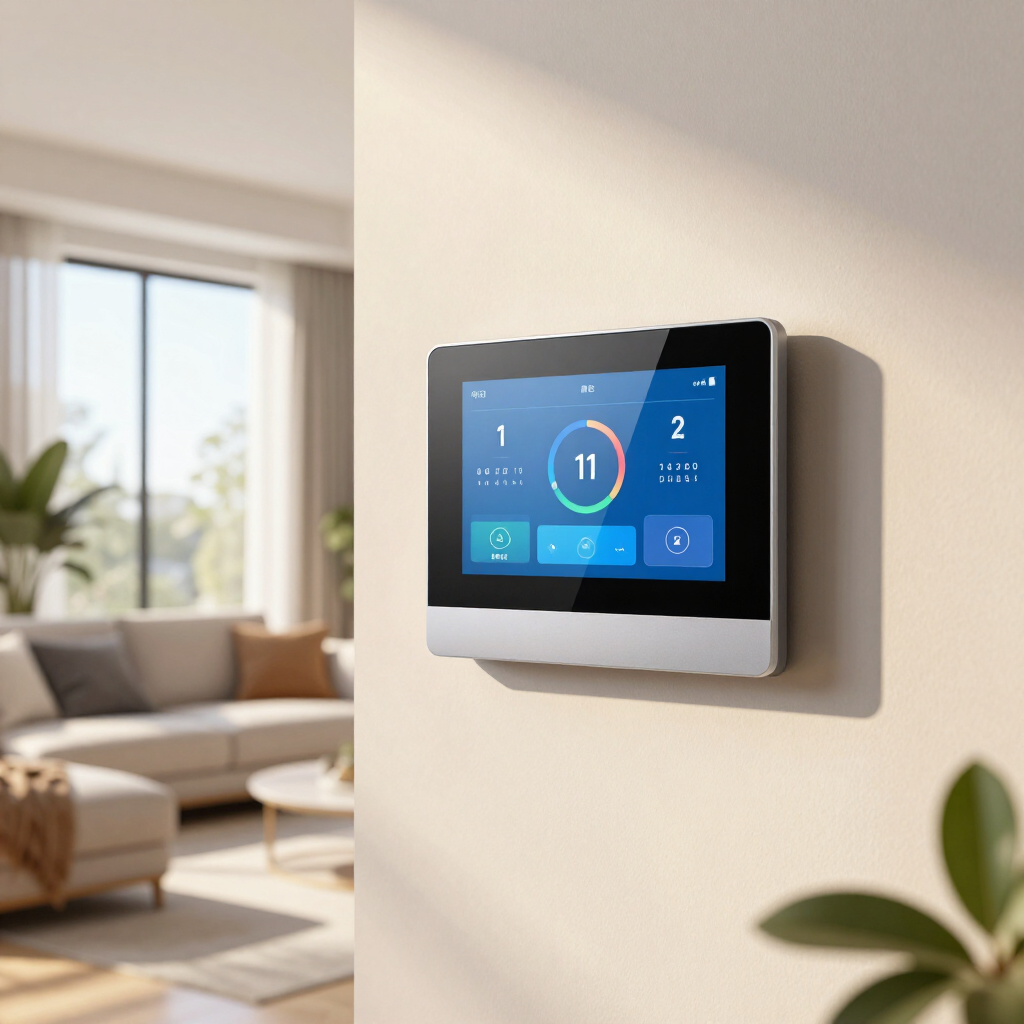
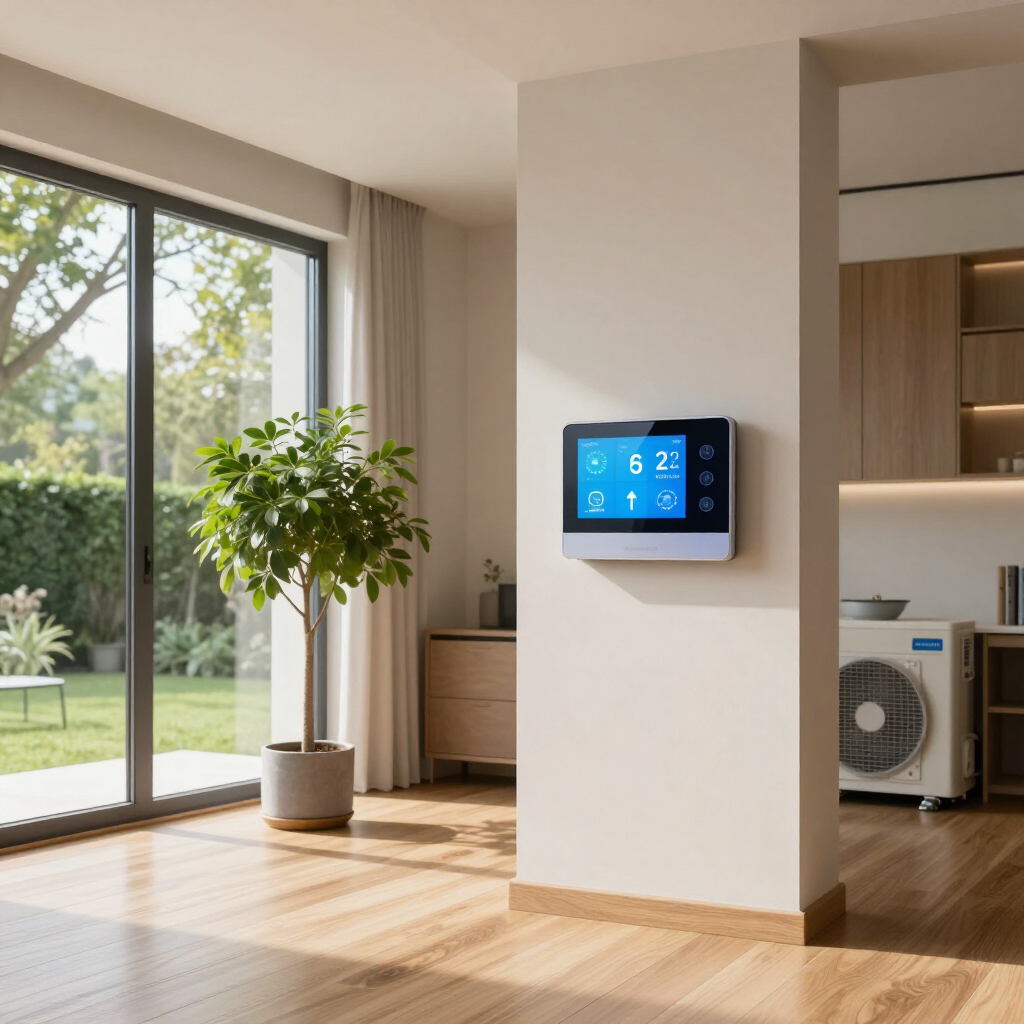
The thermostat is the control center for your HVAC system, so it should always be the first thing you check.
Make sure that:
• The thermostat is set to the correct mode (heat or cool)
• The temperature setting is higher or lower than the current room temperature
• The display screen is active
• The batteries are working properly
If the thermostat is unresponsive, replacing the batteries may solve the problem.
Step 2: Inspect the Circuit Breaker
HVAC systems rely on electrical components that are protected by circuit breakers.
If your system will not turn on, check your home’s electrical panel for a tripped breaker.
Look for breakers labeled:
• Furnace
• AC
• Heat pump
• Air handler
If a breaker is tripped, reset it once. If it trips again immediately, leave it off and contact an HVAC technician.
Repeated electrical trips may indicate a deeper system issue.
Step 3: Check the Air Filter
A clogged air filter can cause airflow problems that lead to system shutdowns.
When airflow becomes too restricted, HVAC systems may automatically shut off to prevent overheating or component damage.
Inspect the air filter and replace it if it appears dirty or clogged.
Most HVAC filters should be replaced every one to three months to maintain proper airflow.
Step 4: Look at the Outdoor Unit
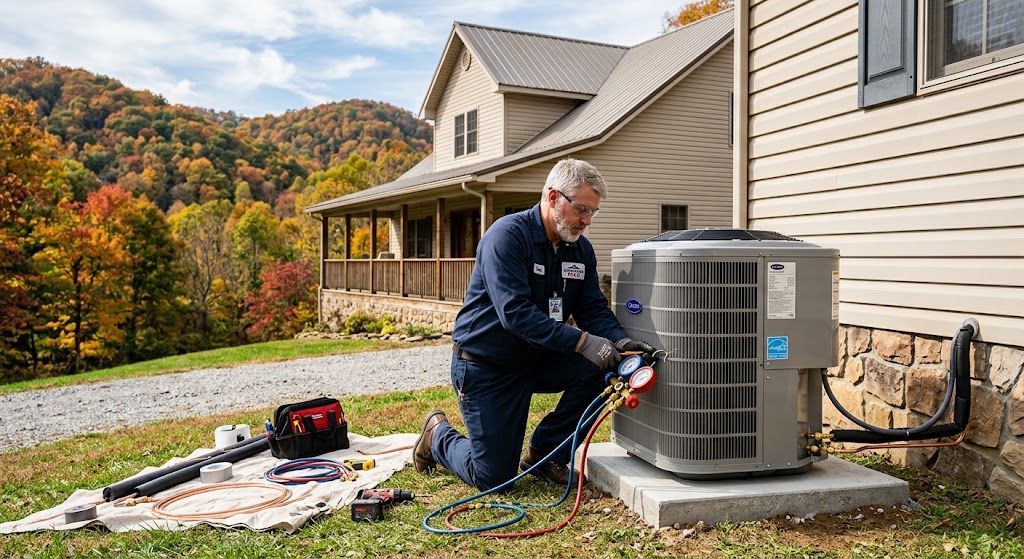
If your air conditioner or heat pump is not working, check the outdoor condenser unit.
Make sure the unit:
• Is not covered with debris
• Has at least two feet of clearance around it
• Does not have ice buildup on the refrigerant lines
Blocked airflow or frozen components can prevent the system from operating correctly.
If ice is present, turn the system off and allow it to thaw before restarting.
Step 5: Check Air Vents and Registers
Blocked vents can interfere with airflow and affect HVAC system performance.
Walk through your home and ensure:
• Furniture is not covering vents
• Curtains are not blocking airflow
• Registers are fully open
Maintaining proper airflow helps your system distribute air evenly throughout the home.
Step 6: Listen for Unusual Noises
If your HVAC system attempts to start but shuts off quickly, listen for unusual sounds.
Noises such as:
• Banging
• Grinding
• Screeching
• Buzzing
may indicate mechanical or electrical problems that require professional repair.
If loud noises occur, turn off the system to prevent further damage.
Step 7: Check for Ice or Water Leaks
Moisture problems can cause HVAC systems to stop working.
Look for signs such as:
• Water pooling near the indoor unit
• Ice forming on refrigerant lines
• Condensation buildup
These issues may indicate a clogged drain line, refrigerant problem, or airflow restriction.
Step 8: Consider the Age of Your System
If your HVAC system is more than 15 years old, sudden failures may indicate that the equipment is reaching the end of its lifespan.
Older systems often require more frequent repairs and may struggle to maintain consistent performance.
In some cases, replacing the system with a modern high-efficiency unit may be the most cost-effective long-term solution.
When to Call an HVAC Professional
If the basic troubleshooting steps do not resolve the problem, it’s time to contact a qualified HVAC technician.
Professional service is recommended if:
• The system will not start
• The breaker continues to trip
• Ice or water leaks appear
• Unusual noises occur
• Heating or cooling performance is weak
A trained technician can diagnose the issue safely and restore system operation.
How HVAC Maintenance Prevents System Failures
Many HVAC breakdowns occur because of neglected maintenance.
Routine maintenance helps technicians identify small issues before they become major problems.
Benefits of regular maintenance include:
• Improved system efficiency
• Reduced risk of breakdowns
• Longer equipment lifespan
• Lower repair costs
Annual HVAC inspections help ensure your system operates reliably throughout the year.
HVAC System Failure FAQs
Why would my HVAC system suddenly stop working?
Common causes include thermostat issues, tripped breakers, clogged filters, or electrical component failures.
Should I turn off my HVAC system if it stops working?
If the system is making unusual noises or showing signs of damage, turning it off can help prevent further problems.
How often should HVAC systems be inspected?
Most systems should receive professional inspections once for heating and once for cooling each year.
Can HVAC systems fail without warning?
Yes. Mechanical components can wear out over time, which is why preventive maintenance is important.
Get Your HVAC System Back Up and Running
If your heating or cooling system stops working, professional service can help restore comfort quickly.
The experienced technicians at Generation Air Conditioning & Heating provide HVAC diagnostics, repairs, and maintenance to keep your system operating reliably year-round.
Phone: (304) 433-1640
Email: generation.heating.air@gmail.com