If you’ve noticed your monthly energy bills rising without any major changes in your household, your HVAC system may be a contributing factor. Heating and cooling systems account for a large portion of home energy use, especially during West Virginia’s cold winters and hot, humid summers.
When an HVAC system becomes inefficient or develops hidden issues, it can consume significantly more energy than necessary. Understanding the common causes of rising energy bills can help homeowners identify problems early and improve overall system efficiency.
At Generation Air Conditioning & Heating, we help homeowners diagnose HVAC efficiency problems and restore reliable comfort. Below are several common reasons your heating and cooling system may be driving up your energy costs.
HVAC Systems Use a Large Portion of Home Energy
Heating and cooling can account for 40–50 percent of a home’s total energy usage. Because HVAC systems operate frequently throughout the year, even small efficiency problems can cause noticeable increases in utility costs.
When a system begins to struggle, it often runs longer cycles or operates continuously to maintain indoor temperatures. This additional runtime leads directly to higher electricity or fuel consumption.
Dirty Air Filters
One of the most common reasons for higher energy bills is a dirty air filter.
When airflow is restricted by dust and debris, your HVAC system must work harder to circulate air throughout the home.
A clogged filter can cause:
• Reduced airflow
• Longer heating or cooling cycles
• Increased strain on system components
• Higher electricity consumption
Replacing the air filter regularly helps maintain proper airflow and improve system efficiency.
Most homeowners should replace filters every one to three months, depending on system usage and indoor air quality conditions.
Aging HVAC Equipment
HVAC systems typically last 10–20 years, depending on the type of equipment and how well it has been maintained.
As systems age, they naturally lose efficiency due to wear on internal components.
Older systems may:
• Require longer run times to reach desired temperatures
• Use more energy to produce the same heating or cooling output
• Experience more frequent mechanical issues
In many cases, upgrading to a newer high-efficiency system can significantly reduce monthly energy costs.
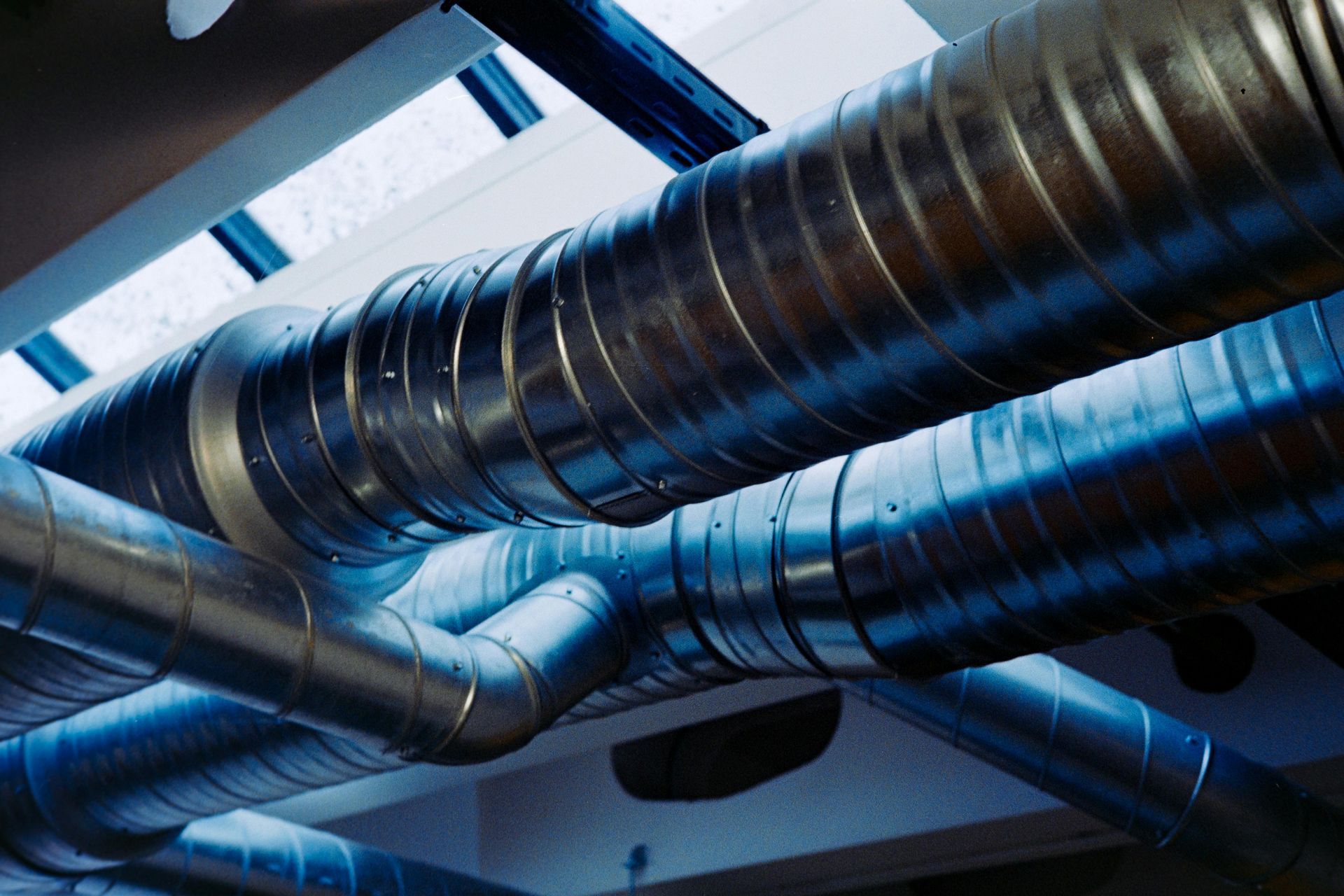
Leaky or Poorly Insulated Ductwork
Air ducts deliver heated or cooled air throughout your home. If ducts have leaks or poor insulation, conditioned air may escape before reaching living spaces.
Duct leaks can result in:
• Reduced airflow
• Uneven temperatures between rooms
• Increased system runtime
• Higher utility bills
Professional duct inspections can identify leaks and improve airflow efficiency.
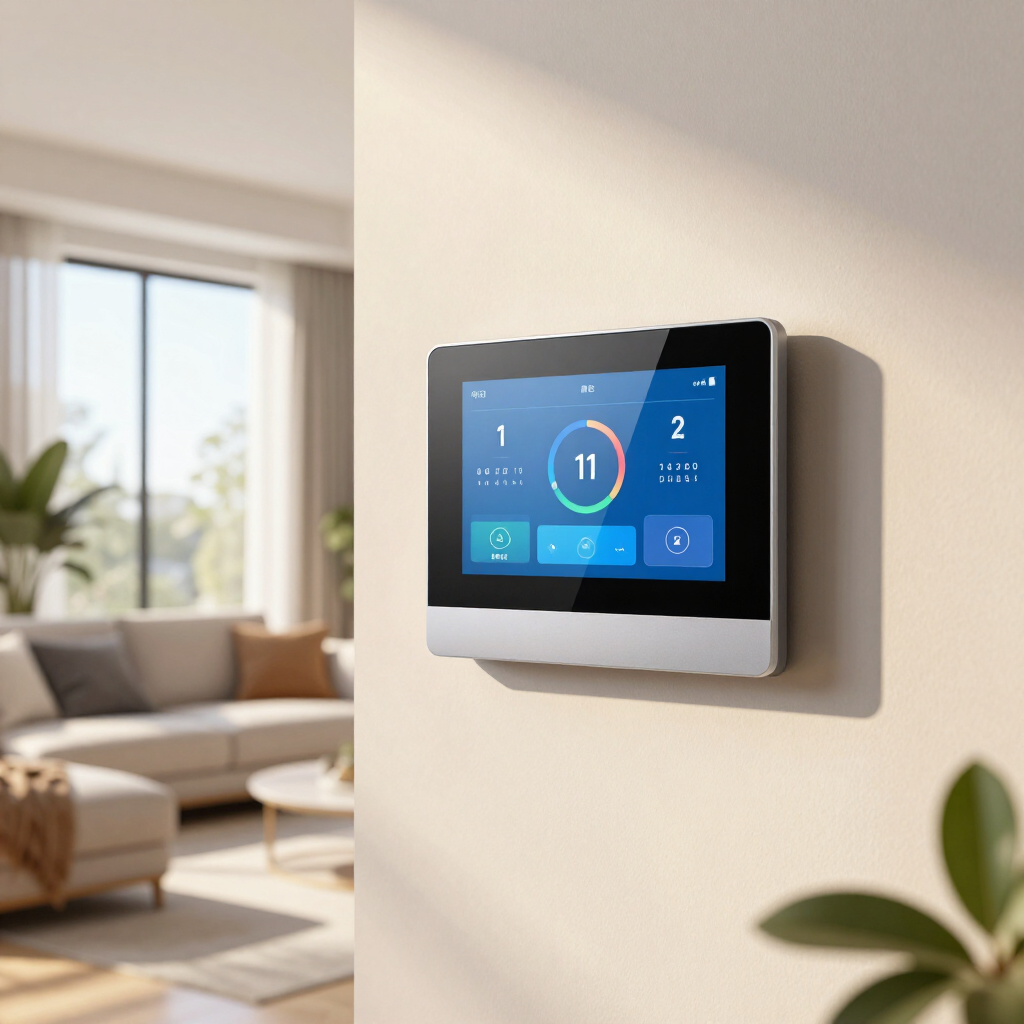
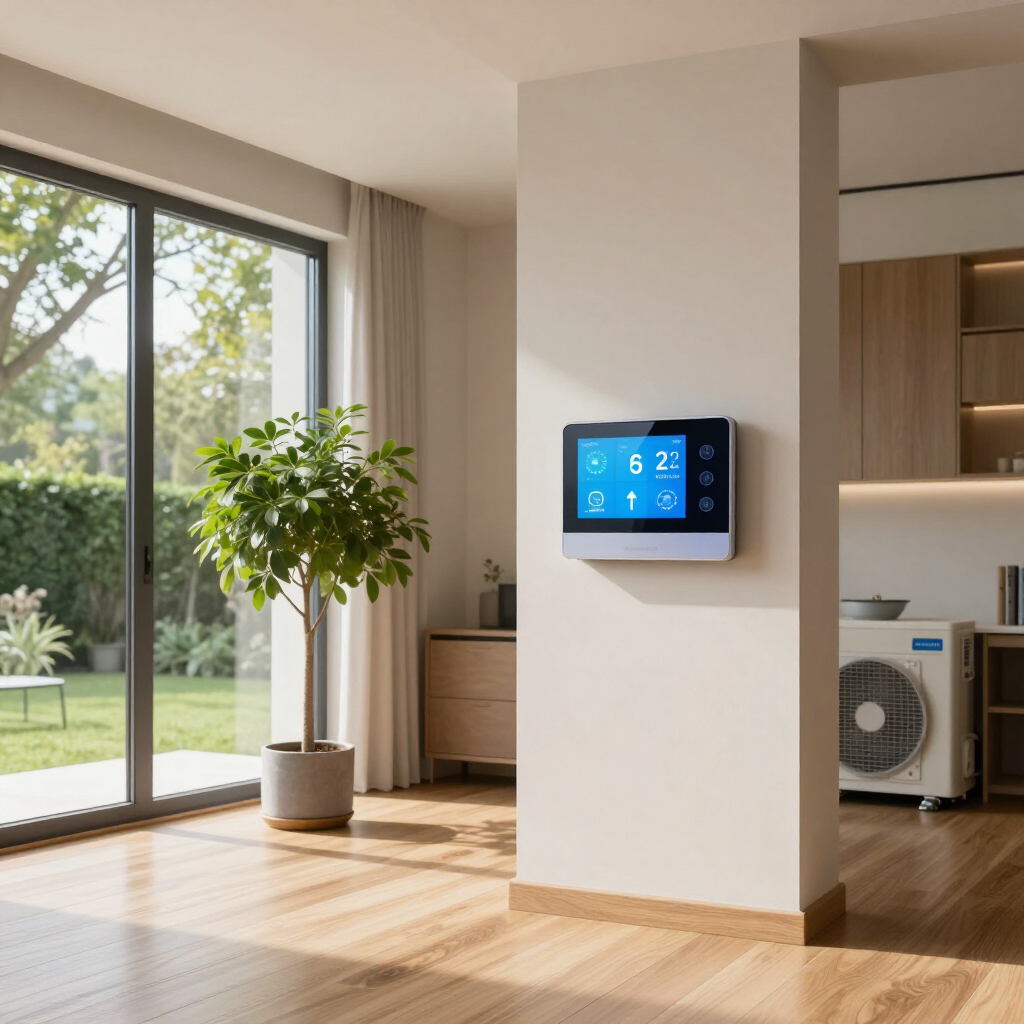
Thermostat Issues
Your thermostat plays a key role in regulating HVAC system operation. If the thermostat is malfunctioning or improperly calibrated, the system may run more often than necessary.
Possible thermostat problems include:
• Incorrect temperature readings
• Dead batteries
• Poor thermostat placement near windows or vents
• Programming errors
Upgrading to a programmable or smart thermostat can help optimize heating and cooling schedules and reduce energy use.
Poor Home Insulation
Even if your HVAC system is operating correctly, poor insulation can cause energy loss.
Common areas where homes lose energy include:
• Attics
• Crawl spaces
• Exterior walls
• Windows and doors
When warm or cool air escapes through poorly insulated areas, your HVAC system must run longer to maintain comfort.
Improving insulation and sealing air leaks can reduce energy waste and improve system performance.
Dirty HVAC Components
Over time, dust and debris can accumulate on critical HVAC components such as coils and fans.
Dirty components reduce system efficiency and force the equipment to work harder.
Common issues include:
• Dirty evaporator coils
• Dirty condenser coils
• Dust buildup on blower fans
Professional HVAC maintenance includes cleaning these components to restore proper performance.
Increased HVAC Runtime During Extreme Weather
Seasonal temperature extremes can naturally increase energy consumption.
During very hot or cold weather, HVAC systems may run longer cycles to maintain indoor comfort.
While this is normal, excessive runtime may signal efficiency issues if the system struggles to maintain consistent temperatures.
Regular system inspections help ensure the equipment is operating as efficiently as possible during peak seasons.
Benefits of Regular HVAC Maintenance
Routine maintenance is one of the best ways to keep energy costs under control.
Professional maintenance services help:
• Improve system efficiency
• Extend equipment lifespan
• Prevent unexpected breakdowns
• Maintain manufacturer warranties
During a maintenance visit, technicians inspect the entire system to ensure all components are operating correctly.
This proactive approach can reduce the likelihood of costly repairs and help maintain consistent indoor comfort.
When to Consider HVAC Replacement
In some cases, rising energy bills indicate that the HVAC system is nearing the end of its useful life.
You may want to consider upgrading your system if:
• Your equipment is more than 15 years old
• Repairs are becoming frequent
• Energy bills continue to rise
• Your system struggles to maintain comfort
Modern HVAC systems offer improved efficiency, advanced controls, and better indoor air quality features.
HVAC Efficiency FAQs
Why did my electric bill suddenly increase?
Common causes include HVAC inefficiency, dirty filters, thermostat issues, or duct leaks.
Can HVAC maintenance lower my energy bill?
Yes. Cleaning and servicing system components improves efficiency and reduces energy consumption.
How efficient are modern HVAC systems?
New high-efficiency systems can be significantly more efficient than older units, reducing operating costs.
How often should HVAC systems be serviced?
Most systems should receive professional maintenance once per year for heating and once per year for cooling.
Improve Your HVAC Efficiency Today
If your energy bills are rising and your HVAC system may be the cause, a professional inspection can help identify the problem.
The team at Generation Air Conditioning & Heating provides reliable HVAC maintenance, repairs, and system upgrades designed to improve comfort and efficiency.